Creative Solutions for Thinning Hair That Won't Cost You a Dime
- Sarah Kohl
- Jul 7, 2025
- 4 min read

Thinning hair can be more than just a cosmetic issue; it can shake your confidence and wellbeing. With many factors contributing to hair loss, such as genetics, diet, stress, and hormonal changes, it is essential to find effective solutions. While countless products claim miraculous results, many come with a hefty price tag and do not deliver. This post explores creative and practical strategies you can implement today to manage thinning hair without spending a cent.
Understanding Thinning Hair
Understanding the causes of hair thinning can empower you to tackle the problem more effectively. Genetics significantly influence conditions like androgenetic alopecia; studies show that about 70% of men and 40% of women experience some degree of hereditary hair loss. Environmental factors, including pollution levels—which have been linked to hair damage—can impact hair health. Stress is another significant factor. Research indicates that emotional stress can push hair follicles into a resting phase, leading to excessive shedding. By recognizing these elements, you can better understand how to improve and maintain your hair health.
Nutrition and Hydration
Your diet plays a vital role in determining the health of your hair. A well-balanced diet rich in essential nutrients promotes hair growth and prevents further thinning.
Incorporate these nutrient-packed foods into your meals:
Protein: Hair is made of a protein called keratin. Including beans (about 15 grams of protein per cup), lentils (18 grams per cup), and nuts can help strengthen your strands and encourage growth.
Omega-3 Fatty Acids: Foods like flaxseeds (2.35 grams per tablespoon) and walnuts can improve scalp health and boost hair growth.
Iron: Spinach (6.43 mg of iron per cooked cup) and lentils (6.59 mg per cup) enhance blood circulation in the scalp, promoting better hair health.
Vitamins A and C: Vegetables such as carrots (over 200% of daily Vitamin A in a medium carrot) and fruits like oranges (70 mg of Vitamin C per medium fruit) support sebum production, which naturally moisturizes the scalp.
Moreover, staying hydrated is crucial. Aim to drink at least 8 cups (2 liters) of water daily to maintain overall health, including hair health.
Stress Management
Stress often lies at the root of hair thinning. Learning to manage stress effectively can improve not just your emotional health but also the health of your hair.
Consider these stress-relief techniques:
Meditation: Spend 10 minutes daily in a quiet space, focusing on your breath to calm your mind.
Deep Breathing Exercises: Take deep breaths, inhaling for a count of four, holding for four, and exhaling for six to reduce anxiety levels.
Physical Activity: Aim for at least 30 minutes of moderate exercise most days to help lower stress hormones.
Mindfulness Practices: Engaging fully in daily activities can reduce anxiety and promote emotional clarity.
Incorporating these habits into your routine can help alleviate stress, which may positively impact your hair health.
Scalp Care
A healthy scalp is crucial for hair growth, yet it is often overlooked. Taking steps to care for your scalp can lead to thicker and stronger hair over time.
Adopt these simple and no-cost practices:
Regular Massage: Gently massage your scalp with your fingers for a few minutes daily to improve circulation and stimulate hair follicles.
Minimize Heat: Avoid excessive use of hair dryers and heat-styling tools, which can cause hair damage and irritate the scalp.
Maintain Cleanliness: Use a gentle shampoo suited for your hair type to keep your scalp clean and free from build-up.
Creating a nourishing environment on your scalp can significantly enhance your hair's robustness and fullness.
Natural Remedies
Natural ingredients can be powerful allies in promoting hair health, and many are easily found in your kitchen.
Consider trying these remedies:
Aloe Vera: Applying fresh aloe vera gel can soothe dry scalps and encourage hair growth due to its anti-inflammatory properties.
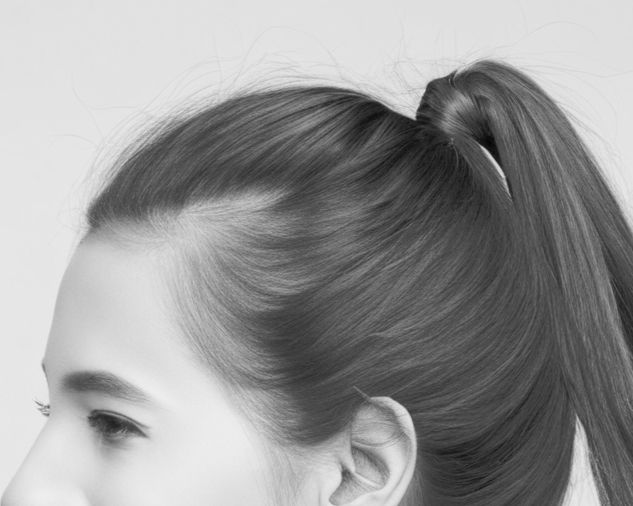
Onion Juice: While it might be unconventional, applying onion juice can increase blood circulation to the scalp, potentially invigorating hair follicles.
Though preparation requires some effort, these remedies are excellent ways to use what you already have at home.
Hairstyles and Styling Tips
Choosing the right hairstyles can significantly affect the appearance of thinning hair. Opting for styles that reduce tension can mitigate further loss.
Try these hairstyle tips:
Loose Hairstyles: Styles that allow the hair to fall naturally help avoid unnecessary pulling or stress.
Volume-Boosting Techniques: Simple techniques like braiding or pinning sections can create the illusion of fuller hair without heat or styling products.
Remember to embrace your natural texture. Often, reducing manipulation leads to better hair health.
Community Support
Dealing with thinning hair can take a toll emotionally, and connecting with others in similar situations can be a source of strength.
Seek out local or online communities focused on hair loss support. Engaging in discussions can provide reassurance and practical tips that make the journey less isolating.
Final Thoughts
While thinning hair can feel daunting, many cost-free solutions help you improve your hair health. By concentrating on nutrition, practicing effective scalp care, managing stress levels, exploring natural remedies, and considering supportive hairstyles, you can take significant steps towards healthier hair.
Celebrate the small victories in your hair journey, and remember that you are not navigating this alone. By focusing on these manageable actions, you can reclaim your confidence and embrace your natural beauty while promoting healthier strands along the way.


Comments